
Author: admin

  • How to transition away from the Standard American Diet

    How to transition away from the Standard American Diet

    Today, many people are struggling with persistent health challenges. Brain fog, nerve pain, chronic fatigue, anxiety, depression, and other neurological symptoms are becoming increasingly common. With the constant onslaught of pathogens, environmental toxins, and everyday stressors that our bodies are up against too— many people are rethinking the Standard American Diet (SAD) and searching for ways to better support their health. Most of us agree that what we eat affects our well-being, but now more than ever, our food choices truly matter.

    To make the shift away from the Standard American Diet easier, I’ve outlined a few practical steps you can follow to gradually build healthier eating habits.

    Step 1: Start slowly

    It’s important to approach dietary changes with patience. A common mistake is trying to change everything at once, which often leads to frustration and overwhelm. Instead, begin by eliminating one category of an unhealthy food at a time. For example, you might start by cutting out fried foods, sugary snacks, or caffeine.

    Remember, food is deeply tied to comfort and routine. Many of us have emotional connections to certain dishes we grew up with or rely on foods for comfort during stressful times. There is a natural grieving process that can happen when we leave certain habits and routines behind. Take it slow. Recognize this process as a form of gentle transition rather than a harsh restriction.

    Step 2: Remove the most harmful foods first

    To see noticeable improvements, it’s helpful to focus on foods that are particularly harmful – those that feed viral and bacterial pathogen’s or put extra strain on the liver. These include:

    Foods that feed pathogens:

    Eggs, dairy, gluten, corn, soy, canola oil, MSG, artificial and natural flavors, citric acid, beet sugar, farmed fish

    Foods that burden the liver:

    * Highly processed foods

    * Foods full of preservatives 

    * Pork 

    * High fat meals (Yes, even healthy fats!)

    You don’t need to remove all of these at once unless you are facing a serious health concern. For most people, gradually eliminating these foods overtime makes the transition more manageable and sustainable

    Step 3: Find new recipes that work for you

    One common mistake when transitioning away from the Standard American Diet is trying to switch immediately to unfamiliar foods that feel foreign or unappetizing. You don’t have to give up all of your favorite flavors and textures at once. Instead, find healthier versions of the foods you enjoy. 

    For example, swap a traditional pizza crust for a gluten-free option and use a nut based cheese instead of mozzarella. Make homemade tomato sauce with fresh tomatoes, a little honey or maple syrup and your favorite herbs. Try air fried sweet potato fries instead of deep fried french fries.

    If it feels daunting at first to completely give up some of your favorite less supportive foods, start by crowding them out with healthier options like fruits, leafy greens and vegetables.

    With an open mind, a little extra time and creativity, you can re-create many of your favorite meals in ways that nourish your body rather than deplete it. Over time, you’ll also find new recipes and flavors that excite you.

    Step 4: Honor your transition

    It’s important not to skip or rush your old way of eating entirely. Transitioning gradually allows your body and taste buds to adjust, and it makes the change more sustainable. Know that it may take months or even years to fully adapt to a healthier diet and that’s perfectly OK.

    Reaching out to friends, family, or online communities can make this process easier too. Having support helps you stay motivated, provides recipe ideas and reduces the temptations to revert to old habits. Even if you need to start alone, know that it becomes easier as you establish new routines and habits.

    Every small step toward better nutrition matters. Start where you are. Even small changes made with consistency can lead to powerful results over time. You just need to begin somewhere. With each step, you’re building a healthier foundation for your future and that is something truly worth beginning. 

    In health and hope,

    Karie
     

    Related articles

  • The Protein Myth: What We Haven’t Been Told About Nutrition

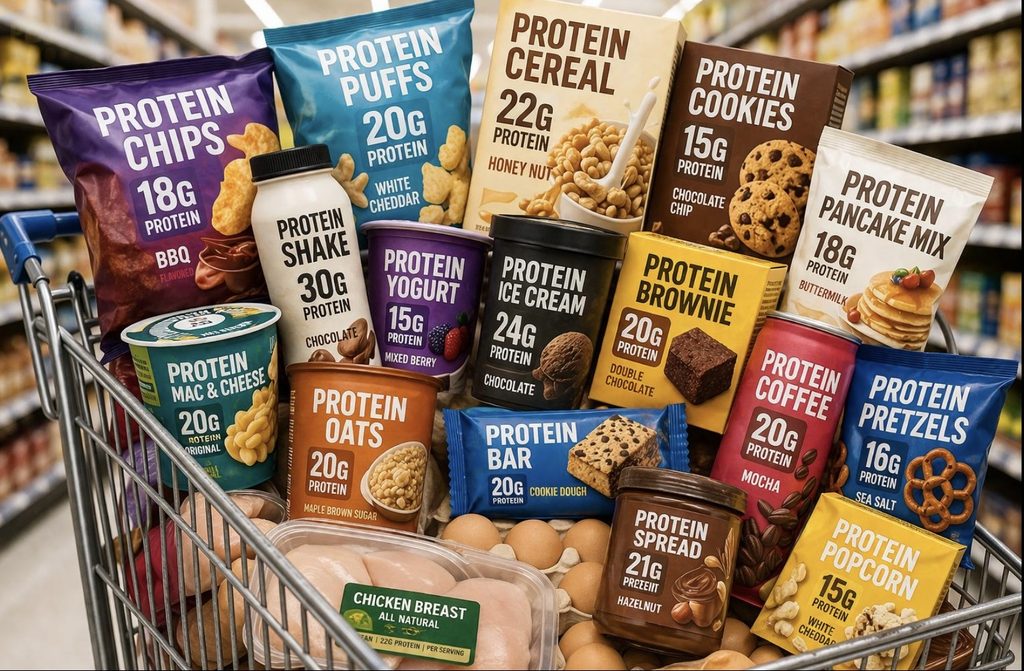
    Walk through any grocery store today and you’ll quickly notice one word everywhere:

    Protein.

    High-protein yogurt.

    High-protein cereal.

    High-protein chips.

    High-protein pasta.

    Protein bars.

    Protein drinks.

    Protein powders.

    Protein cookies.

    We’ve been taught to judge food by one nutrient. Protein has become the standard for energy, muscle, healthy aging, weight management, and overall wellness.

    Many people now evaluate the healthfulness of a meal by asking one simple question:

    “How much protein does it contain?”

    But what if we’ve been asking the wrong question?

    What if our focus on protein has caused us to overlook the nutrients our bodies truly depend on every day?

    For decades, we’ve been taught that protein is the foundation of good health. We’ve been encouraged to build our meals around it, increase our intake, and measure the value of food by how much protein it contains.

    Yet despite that advice, chronic illness continues to affect millions of people, and those numbers continue to rise.

    Autoimmune conditions, chronic fatigue, digestive disorders, neurological symptoms, and countless other chronic health challenges are more common than ever.

    Most people aren’t suffering because they lack protein. If anything, we’ve become a culture that consumes an overabundance of it.

    So it’s worth asking:

    If protein is the answer it’s often claimed to be, why aren’t we becoming healthier?

    Sometimes our greatest breakthroughs begin when we’re willing to question long-held assumptions.

    Progress doesn’t come from blindly following trends. It comes from staying curious enough to keep learning.

    The Nutrients We Rarely Talk About

    While we’ve become experts at counting grams of protein, very few of us have learned about the incredible nutrients found in life changing plant foods.

    Plant foods, like fruits, leafy greens, herbs, wild foods and vegetables naturally contain protein–but that’s only a small part of what they offer.

    The naturally occurring protein found in these foods is readily utilized by the body because it comes packaged with clean glucose, vitamins, mineral salts, antioxidants, hydration, enzymes, and thousands of other naturally occurring nutrients the body depends on every day.

    Instead of asking only how much protein a food contains, we should also ask:

    What else does this food provide?

    The healthiest foods on the planet aren’t valuable because of one nutrient – they’re valuable because of everything they bring to the table.

    Living plant foods also provide antiviral, antibacterial, and antifungal compounds that support and strengthen the body’s immune system.

    These protective nutrients are rarely the focus of today’s nutrition conversation, yet they may be some of the most valuable gifts food has to offer.

    The bigger question isn’t simply whether we’re getting enough protein. It’s whether we’re getting enough of the nutrients we truly need to protect, support, and sustain health.

    Protein Isn’t the Whole Story

    There’s another important piece of the protein conversation that’s often overlooked.

    Anthony William teaches that protein is inherently fat. It’s a statement that challenges much of what we’ve been taught about nutrition, yet it changes the way we look at “hight-protein” foods.

    When we increase our intake of foods traditionally viewed as protein-rich, we’re also increasing our fat intake.  From this perspective, a high-protein diet is also a high-fat diet.

    This is significant because diets high in fat– whether from animal or plant sources– place an extraordinary burden on the liver.

    The liver is one of the hardest-working organs in the body. 

    Every day, it performs more than 2,000 chemical functions. It filters toxins, stores nutrients, produces bile, supports digestion, regulates blood sugar, helps defend the body, and carries out countless other vital processes that keep us alive.

    When the liver becomes overburdened with fat, it cannot operate as efficiently as it’s designed to.

    If the liver plays such a central role in our health as it does, shouldn’t we spend just as much time learning how to support it as we do trying to increase our protein intake?

    The Body Runs on Glucose

    One of the biggest shifts in my understanding of nutrition came when I learned that the body’s preferred fuel source is glucose–not protein

    Glucose is found naturally in whole foods like fresh fruit, potatoes, winter squash, raw honey and many vegetables. 

    It’s the form of energy your body was designed to use.

    Somewhere along the way, foods that naturally contain glucose were grouped together with processed sugars, making it easy to overlook the difference between the two.

    Every cell depends on it.

    Your brain depends on it.

    Your muscles depend on it.

    Your nervous system depends on it.

    Even your liver depends on stored glucose to carry out its thousands of responsibilities.

    Diets high in fat make it more difficult for glucose to move efficiently into cells, where it’s needed to produce energy.

    When we understand this, nutrition starts to look very different. 

    The goal isn’t simply to prioritize one nutrient-–it’s to provide the body with what it actually needs to function well and create the conditions that allow it to use that fuel efficiently.

    What Have We Been Missing?

    For so long, we’ve been taught to make protein a major consideration in what we eat.

    But what if protein was never meant to carry that much weight in the first place?

    Protein is a relatively small part of what the body needs, yet we’ve been taught to give it an enormous amount of importance–as though getting more of it is one of the most significant things we can do for our health.

    We need to think about this advice. Does it really add up?

    The truth is we don’t have to build our diets around protein to get the protein our bodies need. When we eat a variety of whole plant foods, protein comes naturally as part of the food–along with the broader nourishment our bodies require.

    And that changes the conversation.

    Instead of making protein the measure of whether we’re eating well, we can begin to recognize it for what it is: one very small part of a much larger picture.

    The body needs far more than protein. When one nutrient becomes the focus, we can give disproportionate attention to that one piece while overlooking what matters far more.

    Maybe the question isn’t, “How can I get more protein?”

    Maybe it’s time to ask a different question: 

    What does my body actually need–and am I giving it enough of it?

    Sometimes a new direction begins with a new understanding.